
The historical evolution of gambling from ancient traditions to modern practices
Origins of Gambling in Ancient Civilizations
The roots of gambling can be traced back to ancient civilizations, where various forms of games of chance were prevalent. Archaeological evidence suggests that the earliest gambling activities occurred in Mesopotamia around 3000 BC. In these early societies, people used dice made from materials such as bones and clay to engage in games that involved betting. The allure of chance and the thrill of winning were central to these activities, laying the groundwork for future gambling practices. Moreover, it is interesting to note that today, there are many options for entertainment, including the best us online casinos, which reflect modern advancements.

Similarly, ancient Chinese culture also embraced gambling, with references to betting games found in literature dating back to the Han Dynasty (206 BC – 220 AD). The Chinese developed early forms of lottery games, which not only served as entertainment but also raised funds for public projects. This early intertwining of gambling with social and governmental structures highlights its importance in ancient societies.
The Role of Gambling in Medieval Europe
During the medieval period, gambling experienced significant transformation across Europe. Card games gained popularity, evolving from traditional dice games to more strategic forms of play. The introduction of playing cards, believed to have originated in China, revolutionized the gambling scene. Tournaments and games became social events, often held in noble courts, indicating a shift towards more organized forms of gambling.
Additionally, the rise of betting on sports, particularly in England, marked a significant cultural shift. Events like horse racing drew large crowds, and bookmakers began to emerge, formalizing the practice of placing bets. This era solidified gambling as not only a pastime but also an integral part of social gatherings and festivities, with varying degrees of acceptance across different regions.
Gambling in the Age of Enlightenment and Regulation
The Age of Enlightenment brought new perspectives on gambling, with rationalism influencing societal views. The 18th century saw the establishment of the first official gambling houses, or casinos, particularly in Italy and France. These establishments provided a structured environment for gambling and set the stage for modern casino culture. However, this period also saw growing concerns about the potential for addiction and fraud, prompting authorities to consider regulations.
As the century progressed, different regions enacted laws to regulate gambling activities. For instance, England introduced the Gaming Act of 1845, aimed at curbing cheating and ensuring fair play. These regulations marked the beginning of a more systematic approach to gambling, balancing the interests of players with the need for oversight and integrity in gaming practices.
The Rise of Online Gambling
The advent of the internet in the late 20th century revolutionized gambling once again. Online casinos emerged in the 1990s, allowing players to engage in gambling from the comfort of their homes. This shift not only broadened the audience for gambling but also introduced new gaming formats and experiences that were previously unavailable. The rise of digital technology transformed traditional betting methods and made gambling more accessible.
However, the rapid growth of online gambling also posed new challenges, including concerns about security, regulation, and player protection. Various countries responded with their own legal frameworks, reflecting differing attitudes towards online gambling. This ongoing evolution highlights the need for regulations that keep pace with technological advancements while ensuring a safe and enjoyable gambling experience.
Modern Practices and the Importance of Security
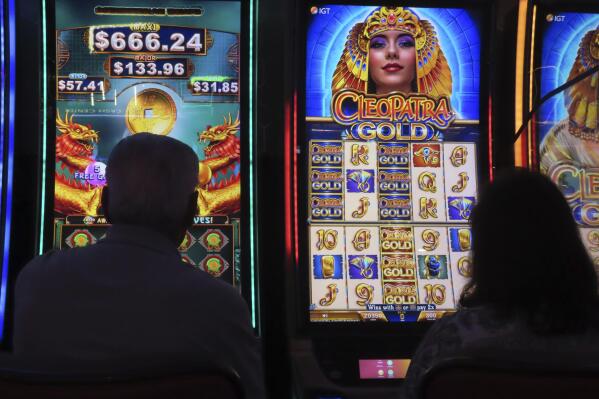
Today, gambling encompasses a wide range of practices, from traditional brick-and-mortar casinos to mobile betting apps and online gaming platforms. The industry continues to grow, driven by technological innovations and changing consumer preferences. As the landscape evolves, so do the regulations that govern gambling, ensuring fairness, safety, and responsible gaming.
Security remains a critical focus in this ever-changing environment. As operators strive to provide safe gambling experiences, cybersecurity measures become essential in protecting user data and preventing fraudulent activities. A robust security framework not only safeguards players but also enhances trust in the gambling industry, promoting sustainable growth for years to come.